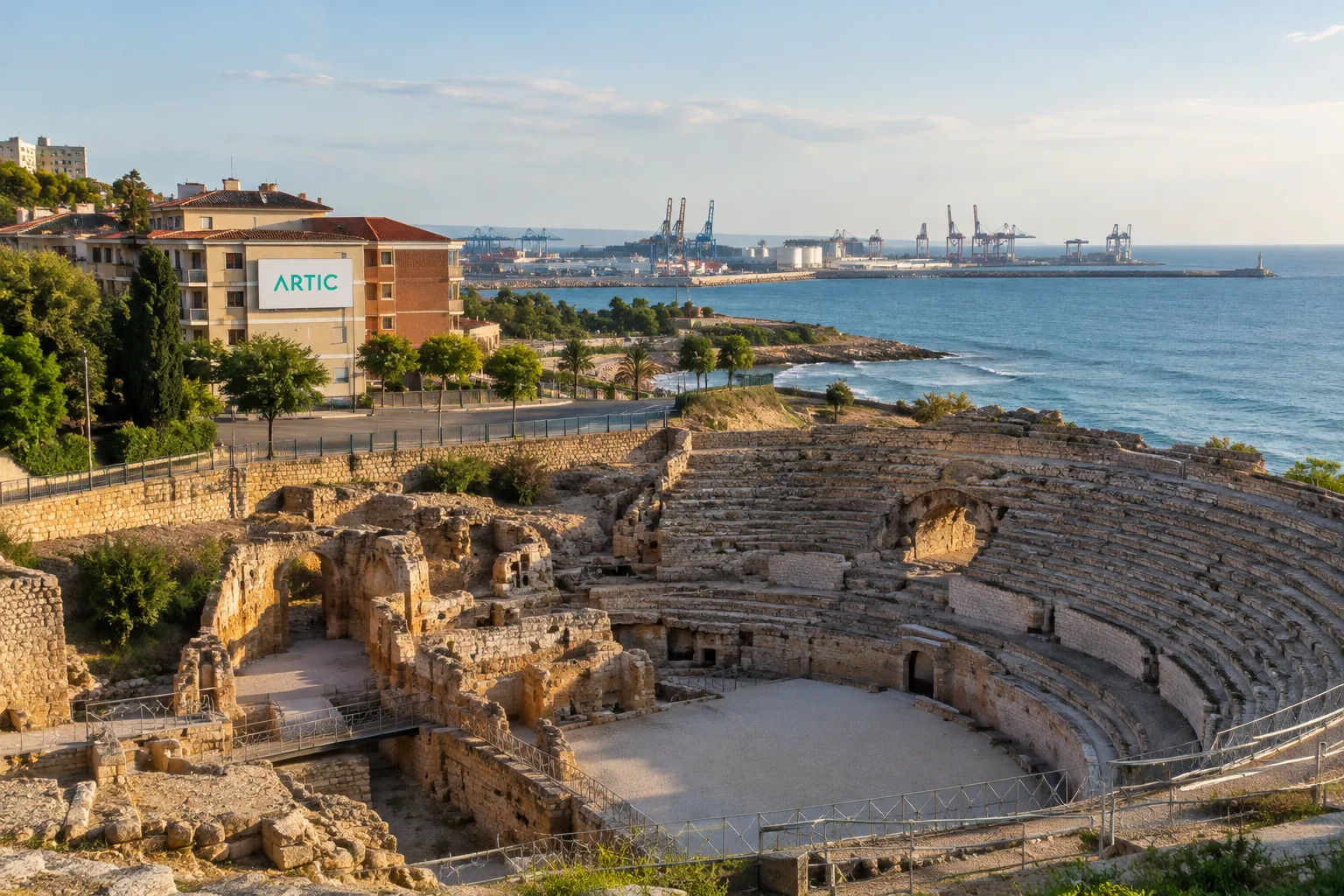
Companies in Alicante: INE data, sectors and how to sell to them
Alicante has 145,106 companies and 6,502 with 10+ employees (DIRCE 2025). Sector and area guide: SEO, Local SEO, Google Ads, LinkedIn, web and AI search.
 Francesc Beumala · Founder, partner and CEO of ARTIC
In this article
- How many B2B companies you can reach in Alicante today
- Where the real B2B market sits: firms with 10+ employees
- Sectors and areas that concentrate demand across the province
- Channels that work for B2B marketing in Alicante
- Step-by-step playbooks by sector: footwear, plastics, textiles and tourism suppliers
- From demand generation to capture: how to measure B2B ROI
- Put the plan into practice in 90 days
- Visibility in AI search: earning citations and clicks
- Technology stack: CRM, automation and data operations
- Frequently asked questions
- Sources and methodology
Alicante (Spain) has 145,106 active companies as of 1 January 2025, up 3.3% vs 2024, according to Spain’s INE Central Business Register (DIRCE 2025). Of these, 6,502 have 10+ employees (4.5%), placing the province 4th in Spain by number of mid-sized and larger firms and accounting for 4% of the national total of 10+ employee companies (161,472).
Key takeaways
- 145,106 companies in 2025 in Alicante, +3.3% vs 2024 (INE, DIRCE 2025).
- 53.7% have no employees and 41.9% have 1–9; only 4.5% have 10+ employees.
- Alicante ranks 4th in Spain with 6,502 firms of 10+ employees (4% of Spain).
- Industrial clusters: footwear (Elche/Elda), textiles (Alcoy), plastics/toys (Ibi) and tourism suppliers.
- Demand concentrates in Parque Empresarial de Elche, Las Atalayas (Alicante) and Ibi.
How many B2B companies you can reach in Alicante today
If you sell to businesses in the province of Alicante (Spain), start by sizing the market. As of 1 January 2025 there are 145,106 active companies, up 3.3% versus 2024, according to Spain’s National Statistics Institute (INE), Central Business Register (DIRCE 2025; active companies as of 1 January, compared with 2024). This is a broad, diverse base where microbusinesses are the majority, but a core of mid-sized and larger firms concentrates B2B purchasing power.
By size in 2025: 53.7% have no employees (77,852), 41.9% have 1–9 employees (60,752), 3.9% have 10–49 (5,716), 0.5% have 50–249 (674) and 0.1% have 250 or more (112). For B2B marketing, this split suggests two tracks: micro-segmentation for small firms (shorter cycles, moderate tickets) and an account-based approach for the 6,502 companies with 10+ employees, which typically have recurring purchasing and formal processes.
A practical note: although microbusinesses are numerous, commercial effort tends to pay better when you prioritise organisations with defined teams and budgets. Map who and where the 10+ employee companies are, and what they need, before you invest in broad outreach.
If you prefer local execution with sector knowledge, a partner such as a B2B marketing agency in Alicante can help you triage segments and build a route-to-market for the province.
- No employees
- 1 to 9 employees
- 10 to 49 employees
- 50 to 249 employees
- 250+ employees
Source: INE, DIRCE 2025
Business structure in Alicante (DIRCE 2025)
| Employee bracket | Companies (2025) | Share of total |
|---|---|---|
| No employees | 77,852 | 53.7% |
| 1 to 9 employees | 60,752 | 41.9% |
| 10 to 49 employees | 5,716 | 3.9% |
| 50 to 249 employees | 674 | 0.5% |
| 250 employees or more | 112 | 0.1% |
| Companies with 10+ employees | 6,502 | 4.5% |
| Total companies (2025) | 145,106 | 100% |
Where the real B2B market sits: firms with 10+ employees
While every company matters, the heart of Alicante’s B2B market sits in the 6,502 organisations with 10 or more employees (4.5% of the provincial total in 2025). They concentrate buying capacity, formal onboarding, technical teams and stable supplier needs. Nationally, Alicante represents 4% of Spain’s 161,472 companies with 10+ employees (DIRCE 2025), which gives you a sense of potential if you operate into or from the province.
The provincial ranking underscores the opportunity: Alicante is 4th in Spain by number of 10+ employee firms, behind Madrid, Barcelona and Valencia, and ahead of provinces such as Sevilla and Málaga. That status allows you to design regionally targeted campaigns with enough volume to segment by sector, size and location and still maintain efficient budgets without spreading too thin.
What does this imply? Your strategy should prioritise:
- Account-based lists focused on mid-sized firms inside local clusters.
- Messaging by role (procurement, engineering, operations) and operational pain.
- Intent channels (search) combined with demand creation (social and technical content).
In short, you will compete where buying is formal. Plan assets (use cases, technical sheets, FAQs and compliance pages) that meet those expectations.
- Madrid
- Barcelona
- Valencia
- Alicante
- Seville
- Málaga
- Castellón
Source: INE, DIRCE 2025
Sectors and areas that concentrate demand across the province
Alicante, with around 2 million inhabitants in Spain’s Comunidad Valenciana, blends industry and B2B services. Industrial clusters such as footwear (Elche and Elda), toys (Ibi) and textiles (Alcoy) have a strong export focus. Around them you will find plastics and packaging, engineering, logistics and ICT suppliers. To prioritise prospecting, cross sector with location.
Business zones to watch:
- Parque Empresarial de Elche: home to footwear brands, logistics and corporate services.
- Polígono Las Atalayas (Alicante city): distribution hubs, ancillary industry and local tech.
- Polígono de Ibi: plastics, packaging and toys, with process engineering and moulds.
Municipalities that act as demand poles: Alicante (provincial capital), Elche and Alcoy. In each, B2B value chains usually span from raw materials and tooling to software, training and energy services.
Applied example: a packaging SME in Ibi serving footwear and cosmetics can segment offers by compliance (food contact, sustainability), standardise downloadable technical data sheets and plan plant visits at Parque Empresarial de Elche and Las Atalayas, supported by local search and curated buyer lists.
If you sell complex projects with long cycles, double down on vertical specialisation and make certifications prominent across all your commercial assets. For execution in industrial environments, an industrial B2B marketing agency in Alicante can help align technical proof with messaging and route-to-market.
Channels that work for B2B marketing in Alicante
In the province, intent channels (search) perform well when combined with activation and nurturing. A sustainable multichannel plan typically includes:
- Technical, use-case-led SEO for B2B: content by job-to-be-done (e.g., rapid plastic injection for short runs), technical optimisation and internal linking by vertical.
- Geo-modified coverage with Local SEO: location pages for business zones like Parque Empresarial de Elche, Las Atalayas or Ibi; service categories and review strategy.
- Demand activation and intent capture with Google Ads for B2B: exact and phrase match strategy, audience layering by sector/company and remarketing to boost recall.
- Precision targeting by role and company via LinkedIn Ads for B2B: ABM with account lists from footwear, textiles or plastics; technical creatives and message/pain testing.
- A B2B website that converts: sector-led IA, use cases and dual CTAs (low and high commitment like catalogues, audits, demos). Fast load and social proof per vertical.
Local best practices: reference clusters (Elche, Ibi, Alcoy) naturally, build pages for key industrial zones and include testimonials from provincial clients to reinforce relevance. In paid media, split campaigns by sector and company size to keep lead quality aligned to pipeline goals. Keep metadata and onsite copy clear about sectors, certifications and service geographies so both human buyers and search engines understand your fit.
Step-by-step playbooks by sector: footwear, plastics, textiles and tourism suppliers
Below is an operational guide tailored to Alicante’s core sectors. Each step fits B2B buying cycles and can be adapted to your team size.
-
Footwear (Elche/Elda)
- Research: curate a focused list of target accounts (brands and manufacturers) by capacity and certifications.
- SEO + content: guides on vendor qualification and a landing for international procurement.
- Google Ads: bid into provider + material + municipality queries.
- LinkedIn: role-specific messaging (procurement, quality) with technical downloads.
- Website: material comparisons and a checklist lead magnet.
-
Plastics and packaging (Ibi, Las Atalayas)
- Pages by vertical (food, cosmetics) with downloadable data sheets.
- Local SEO for plant visits in Ibi and Alicante; collect technical reviews.
- Ads: Search plus product-led campaigns using structured feeds.
- ABM: email sequences driven by process case studies.
-
Textiles and fashion (Alcoy)
- Content on sustainability and standards.
- SEO by categories (fabrics, finishes) and technical FAQs.
- LinkedIn with quality and compliance testimonials.
-
Tourism suppliers (services to hotels and tour operators)
- Segment by establishment type and seasonality.
- Local SEO by tourist municipalities; Google Ads around demand peaks.
- Website offers packaged by hotel typology.
Real ARTIC examples for reference: the case Robots de Trabajo: 844 B2B leads at €4.40 via Meta Ads · ARTIC shows the impact of paid activation coordinated with CRM, and Abujardar: a website twice as fast, 2× traffic in a month · ARTIC illustrates how technical SEO and performance uplift organic capture. Use these as inspiration to align channels and assets without assuming identical results.
From demand generation to capture: how to measure B2B ROI
Sustained B2B growth requires two engines working together: generate demand (so buyers discover and consider you) and capture it (so they shortlist and choose you when they search). In Alicante’s clustered economy, time your pushes with trade calendars and hiring cycles, and measure every step from first touch to qualified opportunity.
Suggested measurement model:
- Attribution by channel and query (capture) and by content/role (generation).
- Clear MQL→SQL criteria by sector and size (e.g., prioritising 10+ employee firms).
- Pipeline velocity (days per stage) and average opportunity value by vertical.
- Cost per opportunity and win rate to project sustainable investment.
Operational tips: integrate your CRM from day one, tag leads by sector and role automatically and build dashboards by cluster (Elche, Ibi, Alcoy). This lets you refine creatives, tighten match types and prioritise accounts converting to quotes.
Use the interactive calculator below to estimate funnel ROI with your own numbers.
Estimate the return of your B2B lead generation
Enter your numbers. The values shown are just an example to get started.
- Leads per month
- –
- New clients per year
- –
- Estimated yearly sales
- –
- Return on investment
- –
Indicative estimate: real results depend on the industry, the offer and sales capacity.
Get an estimate with my dataPut the plan into practice in 90 days
A 90‑day roadmap helps you validate the approach without disrupting production or sales.
- Days 1–30: strategy and foundations. Define ICP by sector and size (with 10+ employee firms as priority A). Audit website and analytics. Do keyword research and map content by vertical. Build ABM lists around key zones (Parque Empresarial de Elche, Las Atalayas, Ibi). Prepare creatives by pain point (lead times, certifications, total cost of ownership).
- Days 31–60: activation. Publish a small set of cornerstone assets (vertical pages and technical FAQs). Launch segmented Search and LinkedIn campaigns by role and account. Claim and optimise local profiles. Configure MQL→SQL automations and response SLAs.
- Days 61–90: optimisation. Review search terms, ads and landing pages. Improve site speed, A/B test CTAs and nurture accounts with case studies and comparison pages. Align sales scripts by vertical with documented objections and answers.
If you need local tactical support, ARTIC can help you prioritise accounts and adapt the message to each cluster, working closely with your sales and operations teams so marketing accelerates deals rather than adds noise.
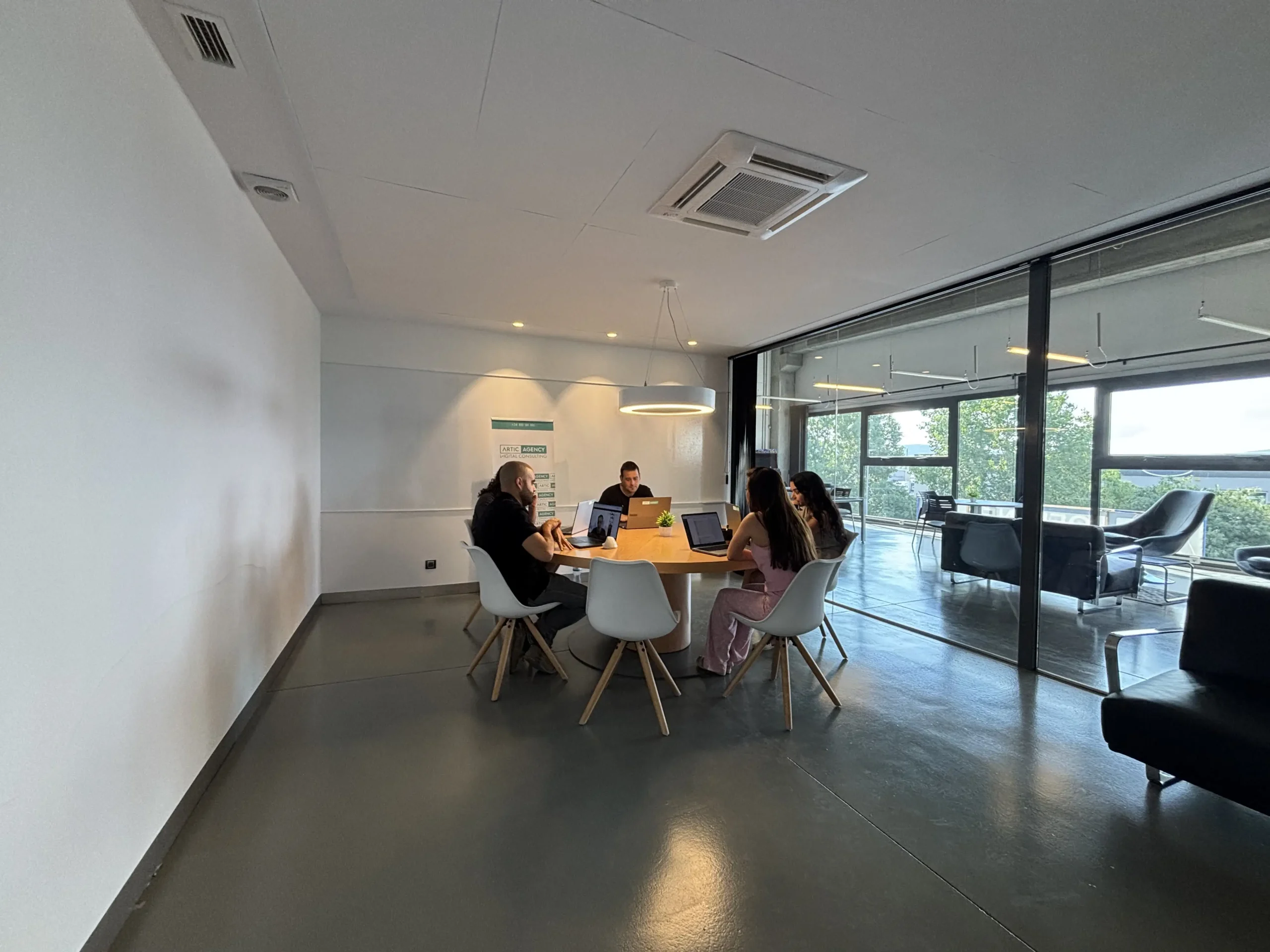
Governance tip: bring leadership, sales and operations together every two weeks around a shared dashboard (leads, SQLs, quotes, win rate) and commit decisions for the next sprint.
Visibility in AI search: earning citations and clicks
Beyond classic SEO, your brand must be understood as an entity by AI search systems. In B2B, that means describing precisely who you are, what you make/install and for which sectors, and structuring data so assistants can recommend you as a supplier for nuanced queries.
Baseline checklist:
- About and Services pages with clear definitions by vertical (e.g., injection moulding for cosmetics) and natural mentions of zones (Elche, Ibi, Alcoy).
- Structured data (product/service, organisation, FAQs) and visible policies (quality, warranties, certifications).
- Evidence: accessible use cases and technical sheets; compliance signals.
- Consistent NAP for Local SEO and sector directories.
Semantic indexing and pages covering both informational and transactional intent increase the odds of being cited by assistants. If you want a faster path, see our approach to AI SEO for B2B (GEO/AEO) adapted to industrial clusters like those in Alicante. Coordinate this work with content and sales so your cases and sheets answer real objections (lead times, certifications, MOQs, maintenance), which also lifts conversion in classic organic and paid.
Technology stack: CRM, automation and data operations
To scale acquisition without inflating costs, you need process and tooling. A CRM orchestrates accounts, roles and histories; automation classifies leads, triggers sector-specific sequences and alerts sales when buying signals appear. In Alicante, where activity concentrates in industrial zones and well-defined value chains, this precision makes a difference.
Good practices:
- Normalised fields for sector, size and zone (Elche, Las Atalayas, Ibi) so reports are useful.
- Lead scoring by intent (search, technical download, quote request) and ICP fit.
- Sales playbooks by vertical (footwear, textiles, plastics) with typical objections and technical responses.
- Integration with analytics and quote tracking to close the attribution loop.
Review impact monthly: median response time, opportunities created by sector, close rate and pipeline value. Document learnings by cluster and feed them back into SEO/Ads and your website so the whole system improves with each sprint. ARTIC typically works alongside commercial teams to ensure tech accelerates the process (not complicates it), integrating with your ERP or business management tools when it is operationally sound.
Frequently asked questions
How many companies are in Alicante and how many are ideal B2B targets?
There are 145,106 active companies as of 1 January 2025 and 6,502 have 10 or more employees (INE, DIRCE 2025). In B2B, these 6,502 usually concentrate larger budgets and formal buying processes.
Which B2B sectors stand out in Alicante?
Footwear, textiles and fashion, plastics and packaging, plus the wider tourism supplier ecosystem. These clusters, with a strong export mindset, concentrate demand and require sector-specific messages and technical proof.
Which business areas should I prioritise for local actions?
Parque Empresarial de Elche, Polígono Las Atalayas (Alicante city) and Polígono de Ibi. They are dense with SMEs and mid-sized firms where local marketing and technical visits work well.
Which B2B marketing channels work best in Alicante?
Combine SEO and Local SEO for intent, Google Ads and LinkedIn Ads for activation and role/company targeting, a conversion-ready website, and an explicit play for AI search visibility. This mix balances demand creation and capture.
How do I organise a 90‑day B2B acquisition plan?
Month 1: ICP, audits and foundations. Month 2: activate SEO/Ads/LinkedIn and automations. Month 3: optimise with data, scale what works and align sales scripts by sector. Keep biweekly decision checkpoints.
How should I measure ROI in B2B campaigns?
Track the full funnel: cost per lead, MQL→SQL, average opportunity value and win rate. Use a CRM, dashboards by cluster and regular reviews to decide what to pause, fix or scale.
Why does AI search visibility matter in B2B?
Assistants surface entities and evidence. If your services and technical proof are clearly structured and consistent, you increase your chance of being cited and shortlisted when buyers ask for suppliers.
Sources and methodology
- Active companies by province and number of employees: INE (Spanish Statistics Institute), Central Business Register (DIRCE), table 39374.
- Sectors, towns and business areas: general public information compiled by ARTIC.
- The linked client examples are real ARTIC projects. Calculators are indicative.
Related services
- Google AdsSearch, Performance Max, YouTube and Shopping campaigns run by a certified Google Partner team.
- Google LocalAttract customers near you with geolocated ads on Google. Ideal for brick-and-mortar businesses that want more visitors or calls.
- SEOWe are experts in web positioning for service companies, brands and e-commerce